
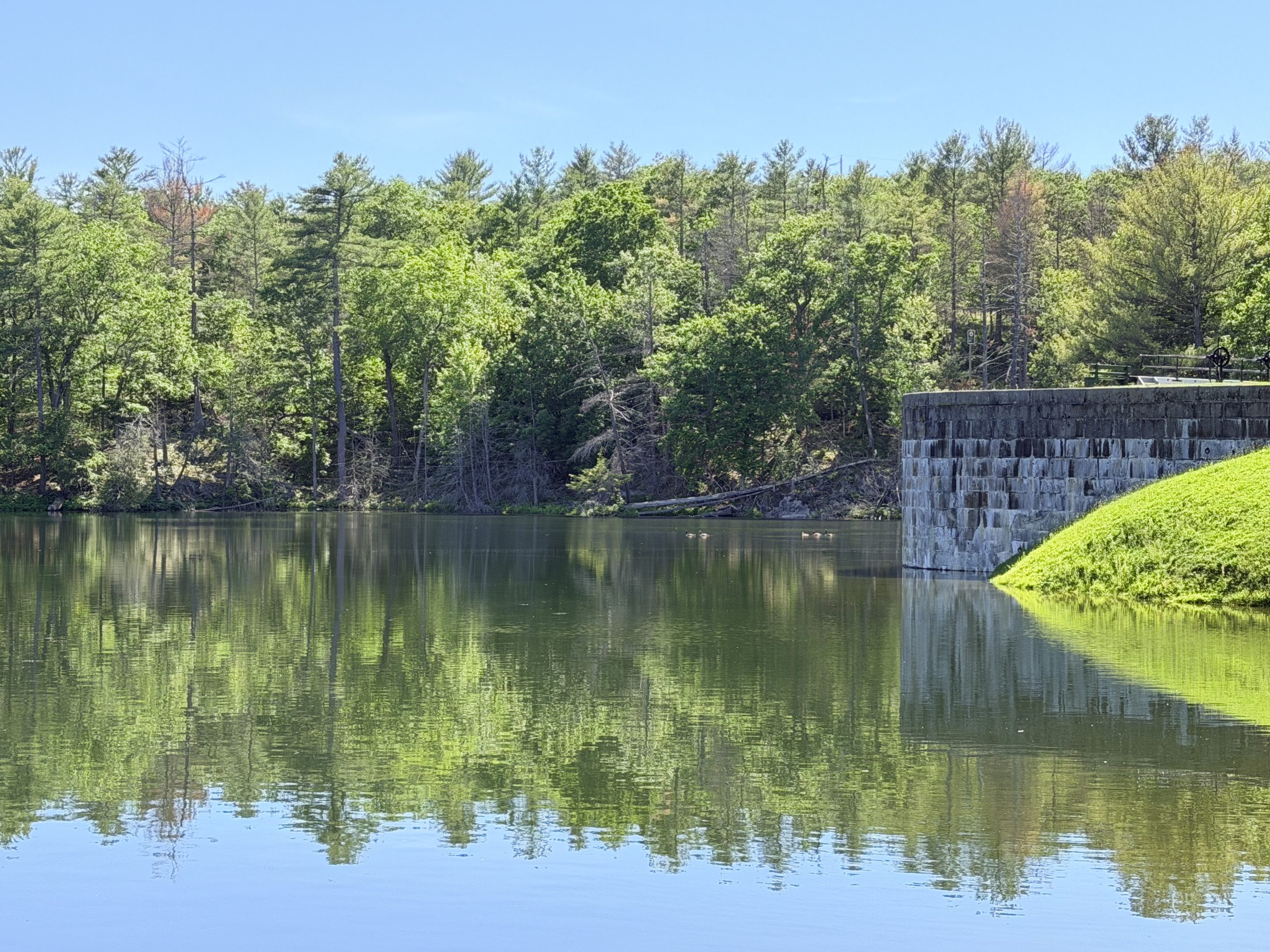
The Best Way to Experience the Rideau Canal
Discover the best way to experience the Rideau Canal and how its waterways, landscapes, communities and stories can transform the journey.
Ways to Experience the Rideau Canal
There is no single way to experience the Rideau Canal. The best choice depends on how you want to travel and what you hope to understand along the way.
Travel by boat to experience the locks, lakes and rivers as a continuous waterway.
Paddle the canal for a slower and more intimate view of its shorelines, wildlife and historic lockstations.
Cycle or drive between communities to discover the villages, landscapes and businesses that developed around the waterway.
Visit its historic sites to examine the engineering, military purpose and human effort behind its construction.
Explore with a private guide to understand how the canal reshaped the land, influenced settlement and continues to connect the communities along its route.
Each approach reveals something different. But to understand why the Rideau Canal matters, it helps to look beyond the locks and consider the larger landscape they transformed.
Why it Was Built
The Rideau Canal was built after the War of 1812 to create a secure military supply route between Montréal and Kingston, away from the vulnerable St. Lawrence River.
But building the canal meant far more than digging channels and constructing locks. Engineers had to contend with existing rivers, lakes that changed dramatically with the seasons, granite ridges that resisted excavation and wetlands that refused to behave as maps suggested.
Every decision altered the landscape. Water levels rose. Roads moved. Villages emerged. Others disappeared. Communities adapted to an entirely new relationship with the water.
The canal became not only a transportation corridor, but the framework around which much of Eastern Ontario would continue to grow.
The Places Between the Locks
Many visitors remember individual lockstations. Fewer remember the places that explain why those locks exist.
Newboro sits at the summit level of the Rideau Canal, where water begins its journey in opposite directions. Its village, canal cut and blockhouse reveal the extraordinary difficulty of forcing a navigable route through this landscape.
At Jones Falls, the canal’s engineering ambition becomes unmistakable. The massive stone dam created an entirely new route through the landscape and remains one of the waterway’s most remarkable achievements.
Elsewhere, villages developed where trade became possible, mills found reliable power, hotels welcomed passing travellers and local businesses grew around a waterway that had reshaped both geography and opportunity.
These places were never simply stops along the canal. They became communities because of it.
A Living UNESCO Landscape
Parks Canada manages the Rideau Canal National Historic Site, which UNESCO recognizes as a World Heritage Site for significance extending beyond its impressive engineering.
The canal is significant because it remains the best preserved example of a slackwater canal in North America. Its original route and many of its historic structures continue to function much as they did in the nineteenth century.
But the Rideau Canal is also a cultural landscape. Its importance can be seen in the villages that grew beside it, the farms that adapted to changing water levels, the heritage buildings that remain and the continuing relationship between people and the waterway.
That relationship is still visible today. Not as a museum, but as a living landscape.
Curiosity Over Checklists
Travelling the Rideau Canal becomes richer when curiosity replaces checklists.
Instead of asking how many lockstations you can visit in a day, ask why each place exists.
Instead of photographing another beautiful view, ask what changed here.
Instead of seeing a canal built through the landscape, begin noticing a landscape permanently shaped by the canal.
The Rideau Canal rewards travellers who slow down. Some of its greatest stories are found in conversations with local historians, preserved heritage buildings, overlooked viewpoints and communities that continue to live alongside one of Canada’s most remarkable engineering achievements.
The Rideau Canal is more than a route through Eastern Ontario. It is one of the best places in Canada to understand how geography, ambition and human ingenuity can reshape an entire region.
Experience It for Yourself
Reading about the Rideau Canal is one thing. Standing at its summit level, walking through Newboro, exploring Jones Falls and understanding how these places fit together is something entirely different.
The Newboro Passage is A 1000 Ways’ private Rideau Canal tour for travellers who want to move beyond sightseeing. Through thoughtful hosting, local interpretation and carefully arranged access, the experience reveals how this remarkable stretch of the canal was built, what it changed and why it still matters.
Frequently Asked Questions About the Rideau Canal
What is the best way to experience the Rideau Canal?
The best way depends on what you want from the journey. Boating reveals the canal as a continuous waterway, while driving, cycling and guided touring provide greater access to its communities, historic sites and surrounding landscapes.
Can you experience the Rideau Canal without a boat?
Yes. Many significant canal locations can be reached by road, including Newboro and Jones Falls. Travelling by land allows visitors to explore lockstations, heritage buildings, villages and landscapes that cannot be fully understood from the water alone.
Are private Rideau Canal tours available?
Yes. A 1000 Ways offers The Newboro Passage, a private Rideau Canal tour through Newboro and Jones Falls. Transportation, lunch, local interpretation and arranged access are included in the hosted experience.
When is the best time to visit the Rideau Canal?
The Rideau Canal can be explored throughout the year, but its character changes with the seasons. The Newboro Passage is offered from June through October, when guests can experience the canal’s historic landscapes during summer and fall.